
The Thrill of Risk and Uncertainty
High-stakes casino gambling is an exhilarating experience that captivates many individuals. The allure of risking large sums of money creates a unique psychological environment rife with adrenaline and excitement. This thrill often comes from the uncertainty of the outcome—gamblers are drawn to the potential for significant rewards, which can warp their perception of risk and reward. To enhance your experiences, you can explore various idaho casino sites that provide trusted betting opportunities.
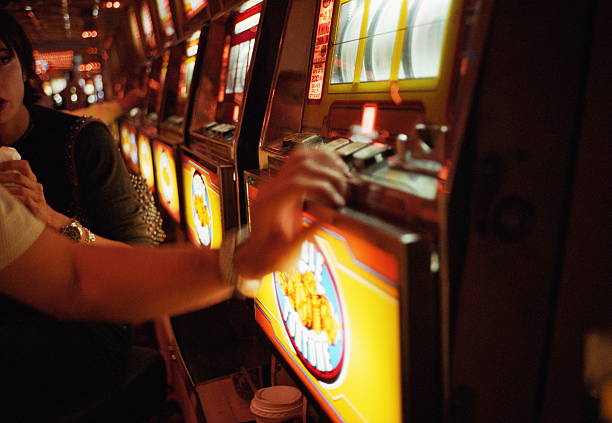
The psychological underpinnings of this behavior can be traced to various cognitive biases. For instance, many gamblers exhibit an overconfidence bias, where they believe they can influence luck or outcomes through skill or strategy, despite the inherent randomness of games like roulette or slots. This belief can lead to a heightened state of arousal as they engage with the game, reinforcing their desires to gamble.
The Role of Emotion in Decision Making
Emotions play a fundamental role in high-stakes gambling, often driving individuals to make impulsive decisions. The emotional rollercoaster that accompanies gambling—ranging from joy and excitement to despair and frustration—can deeply influence a gambler’s choices. Winning can trigger a euphoric high, while losses may cause feelings of anger or desperation, prompting irrational betting behavior in attempts to recoup losses.
Moreover, the pleasure derived from winning can create a feedback loop where the positive emotions associated with gambling encourage further risk-taking. This psychological phenomenon reinforces the cycle of gambling, as players seek to replicate the joy of past wins, often leading to increased stakes and higher financial risks.
The Illusion of Control and Superstitions
One prominent aspect of the psychology of high-stakes gambling is the illusion of control. Many gamblers believe that they can control or influence the outcome of games, leading them to engage in superstitious behaviors or rituals before placing bets. For instance, they may wear lucky clothing, follow specific routines, or choose numbers that have personal significance, all in a bid to sway the odds in their favor.
This illusion can be particularly powerful in games where the outcome is purely based on chance. The gambler’s fallacy also plays a role here—the belief that past events can influence future results can lead individuals to make illogical decisions. Such cognitive distortions highlight the complexities of human psychology and its impact on gambling behavior.
The Social Environment of High-Stakes Gambling
The high-stakes casino environment is inherently social, which adds another layer to the psychology of gambling. Gamblers often find themselves in bustling venues filled with fellow players, creating a sense of camaraderie and shared experience. This social aspect can intensify the excitement of gambling, as individuals cheer each other on and share in the highs and lows of the game.
However, the social environment can also perpetuate risky behaviors. Peer pressure and the desire to fit in can lead to increased betting and a reluctance to walk away after a loss. Additionally, the presence of others can amplify the emotional highs and lows of gambling, making it easier for individuals to lose track of their limits and engage in more significant risks.
Discovering Responsible Gambling Resources
Understanding the psychology behind high-stakes casino gambling is essential for promoting responsible gambling practices. Players should be aware of the emotional and cognitive factors that can influence their betting decisions. Education and awareness can empower individuals to make more informed decisions, mitigating the risks associated with high-stakes play.
Our website offers resources and guidance for individuals interested in exploring the gambling landscape responsibly. From insights into the legal status of gambling in various states to tips on how to choose trusted platforms, we aim to equip players with the knowledge they need to enjoy their gaming experiences safely and responsibly.