
What are the psychological effects of gambling on individuals and society?
Understanding Gambling Addiction
Gambling can quickly escalate from a harmless pastime to a compulsive behavior that impacts various aspects of a person’s life. Individuals may initially view gambling as a fun way to unwind or socialize; however, it can create an adrenaline rush that leads to an obsession. This transformation often arises from the brain’s reward system becoming hijacked, favoring immediate pleasures over long-term consequences. Behavioral changes may manifest as neglecting responsibilities and relationships, ultimately leading to profound psychological distress.
Such addiction can create a vicious cycle marked by feelings of guilt and despair. The winner’s high, experienced during a successful gamble, can be intoxicating, further driving individuals to chase losses. This unrealistic pursuit is closely linked to issues such as anxiety and depression. Many gamblers find themselves trapped in a mental loop, where the thrill of winning outweighs the harsh realities of their losses, compounding their psychological struggles.
The Impact on Relationships
The repercussions of gambling extend beyond the individual, significantly affecting personal relationships. Family members often bear the brunt of the emotional fallout, leading to strained dynamics and potential breakdowns in communication. Spouses may experience feelings of betrayal and insecurity, while children could suffer from neglect or financial instability. This strain can generate an environment filled with conflict and frustration, compounding mental health issues for everyone involved.
Friends and social circles can also be impacted as individuals begin to withdraw from activities and connections. The more someone becomes enveloped in their gambling habits, the more isolated they may feel, further exacerbating anxiety and depression. Thus, gambling not only affects the gambler’s mental well-being but also permeates the emotional fabric of their relationships, leading to a pervasive sense of loss and heartache within families and communities.
Community and Societal Effects
The societal ramifications of gambling addiction are far-reaching and multifaceted. Communities with high rates of gambling often grapple with increased crime and financial instability as individuals resort to illegal activities to fund their habits. This, in turn, can strain public resources and increase demand for mental health and addiction services, creating a burden on healthcare systems.
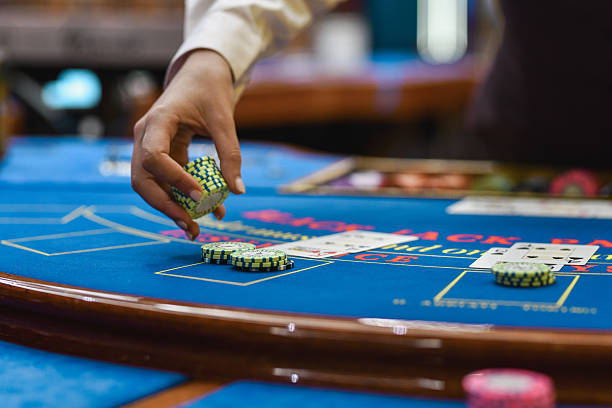
Moreover, gambling can foster negative economic impacts. While some argue that casinos and gambling establishments can generate jobs and tax revenue, the associated social costs—such as increased healthcare needs and law enforcement interventions—can overshadow these benefits. Consequently, the overall well-being of communities often suffers, creating a paradox where economic growth is shadowed by deep psychological distress among residents.
Addressing Gambling-Related Issues
Addressing the psychological impacts of gambling is critical for both individuals and their communities. Awareness programs are essential in educating individuals about the risks associated with gambling behavior, emphasizing the importance of responsible gambling. Therapeutic interventions, including cognitive-behavioral therapy, can effectively help individuals regain control over their lives by transforming their thought patterns and coping strategies.
Support networks also play a pivotal role in recovery. Peer support groups provide individuals with a safe environment to share their experiences and develop healthier habits. These initiatives emphasize that recovery is achievable and reinforce the understanding that one does not have to face their challenges alone. Thus, a combination of education, therapy, and community support is vital in mitigating the psychological effects of gambling.
Explore More About Safe Gambling
For individuals seeking to engage in gambling without falling into unhealthy patterns, resources are available to promote responsible gaming. Websites dedicated to safe gambling practices offer valuable insights and guidelines on enjoying gaming as a recreational activity. If you are interested in online gaming, check out the best online casino, which emphasizes safe and responsible play.
The commitment to safe gambling practices can significantly contribute to a healthier relationship with gaming, reducing the risks of addiction and its subsequent effects on individuals and society. By fostering an environment of awareness and support, we can collectively take steps towards a more responsible approach to gambling.